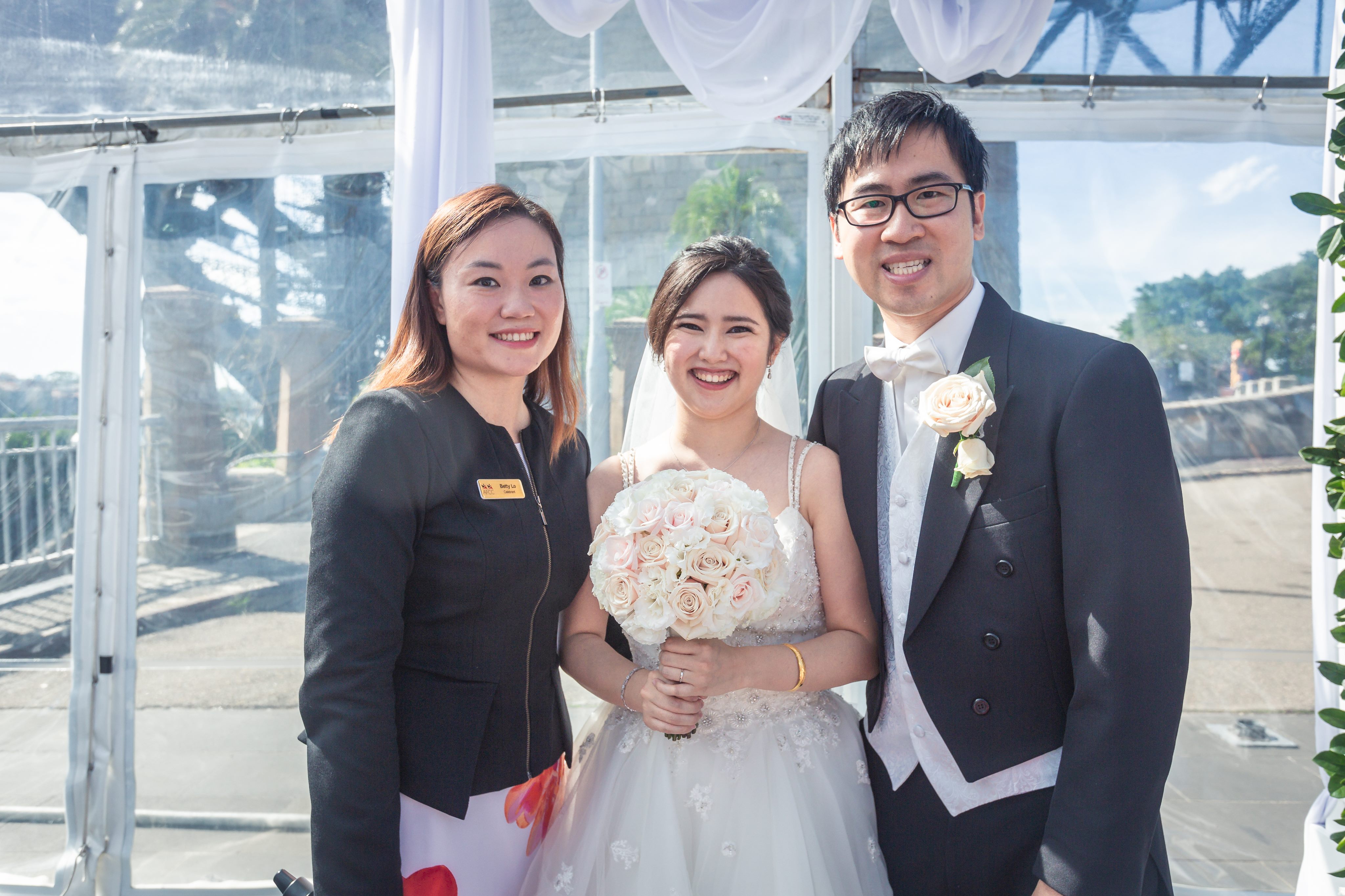
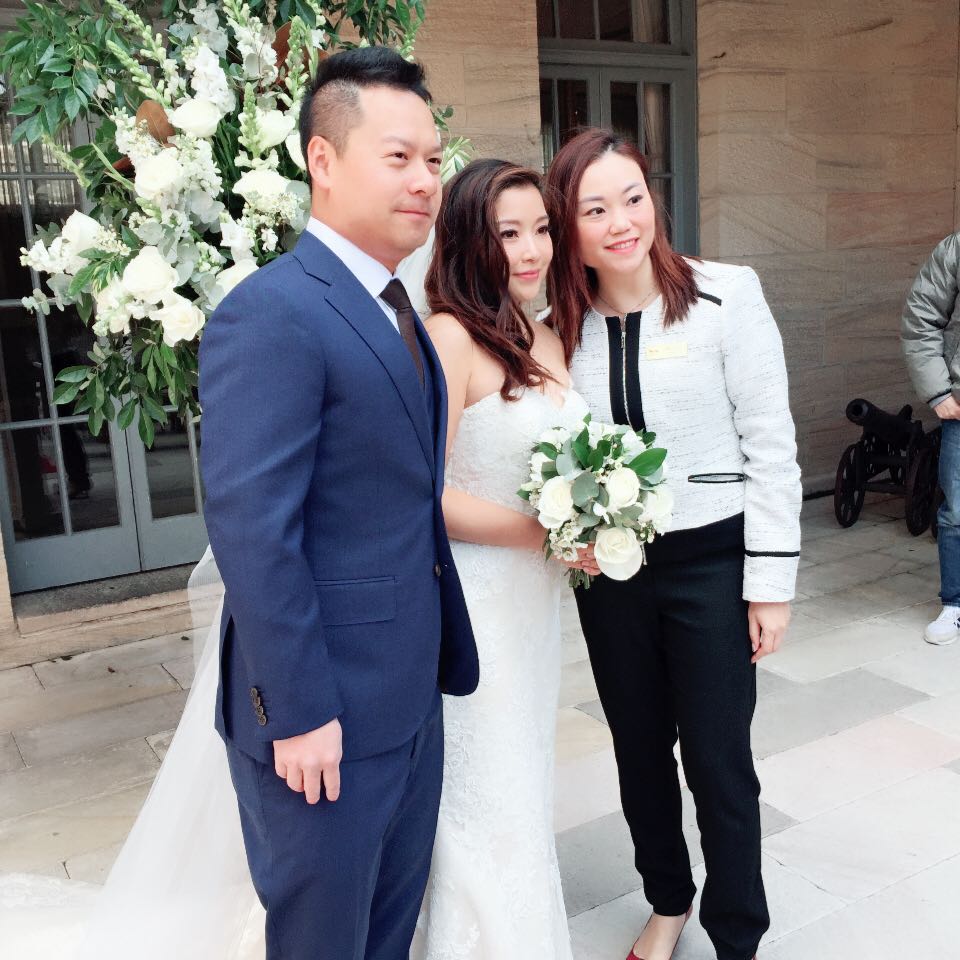
Your Bilingual Chinese Wedding Ceremony, Done Right in Sydney
Both families hear every word, no summaries, no awkward pauses, no language left behind.
• Full Cantonese and English vows, not translations, complete passages in both
• One celebrant for both the civil ceremony and Chinese tea ceremony
• Personalised bilingual script written from scratch, not translated after the fact
• Legal NOIM lodgement handled from your first conversation
• Overseas couples from Hong Kong, the US, and South Korea guided start to finish
Book Your Ceremony Consultation
No obligation, Betty responds personally to every enquiry.

What a Bilingual Chinese Wedding Ceremony Actually Looks Like
The civil ceremony and the tea ceremony are two different things
Under the Marriage Act 1961 (Cth), only the civil ceremony, officiated by an authorised marriage celebrant, makes your marriage legally recognised in Australia. The tea ceremony carries deep cultural significance but has no legal standing. If you're travelling from overseas, that distinction matters from day one.
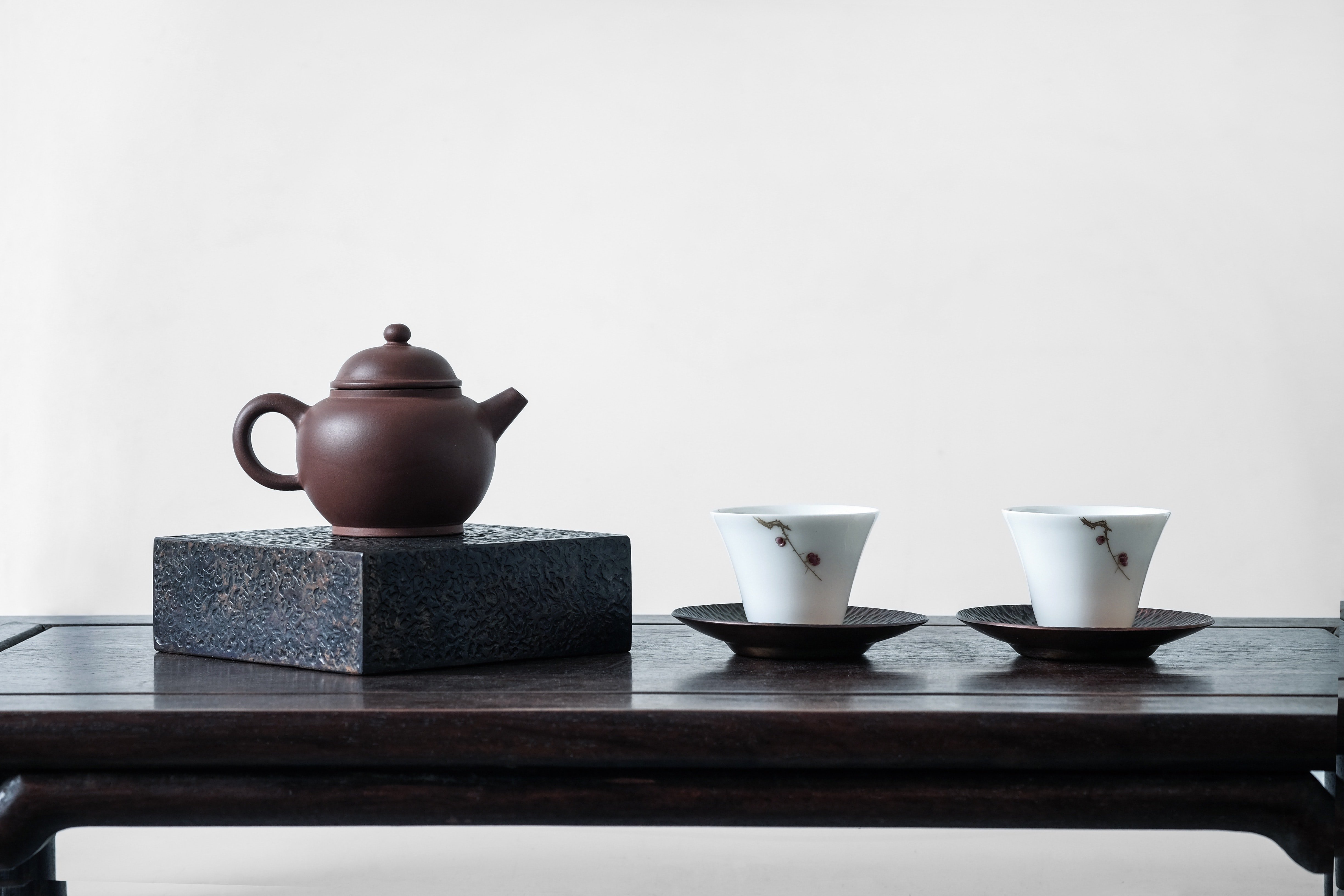

How the bilingual flow actually works
Betty delivers full passages in Cantonese, then English, the vows, the legal monitum, the declarations, the ring exchange. Both families hear the complete ceremony in their language. Not a clipped translation. Not a summary. The whole thing, twice, with intention.
Yosua Suhardja put it plainly: older relatives who weren't fluent in English felt genuinely honoured, and because of that, they were more emotionally present for the ceremony. That's the direct result of structure, not sentiment.
The next section covers how this bilingual approach carries through into the tea ceremony, and whether one celebrant can run both.
How the Language Switch Works, and Why It's the Moment Guests Remember
Most couples worry the language switch will be where the ceremony loses its momentum. It won't, not when the script is built from scratch in both languages rather than translated after the fact.
Betty writes each ceremony to work fully in Cantonese and fully in English. Neither language is a subtitle for the other. Both carry the complete weight of the moment.
Florence Li described it simply: the switches between languages felt seamless and natural. That's not a happy accident. It's the result of a script shaped around one couple's specific story, paced so the language shift feels like a breath rather than a gear change.
Your grandmother hears the vows land in Cantonese. Your partner's family hears the same vows land in English. Nobody waits. Nobody misses anything.
The next section covers how this same approach carries through into the tea ceremony, and whether you need a separate person to run it.
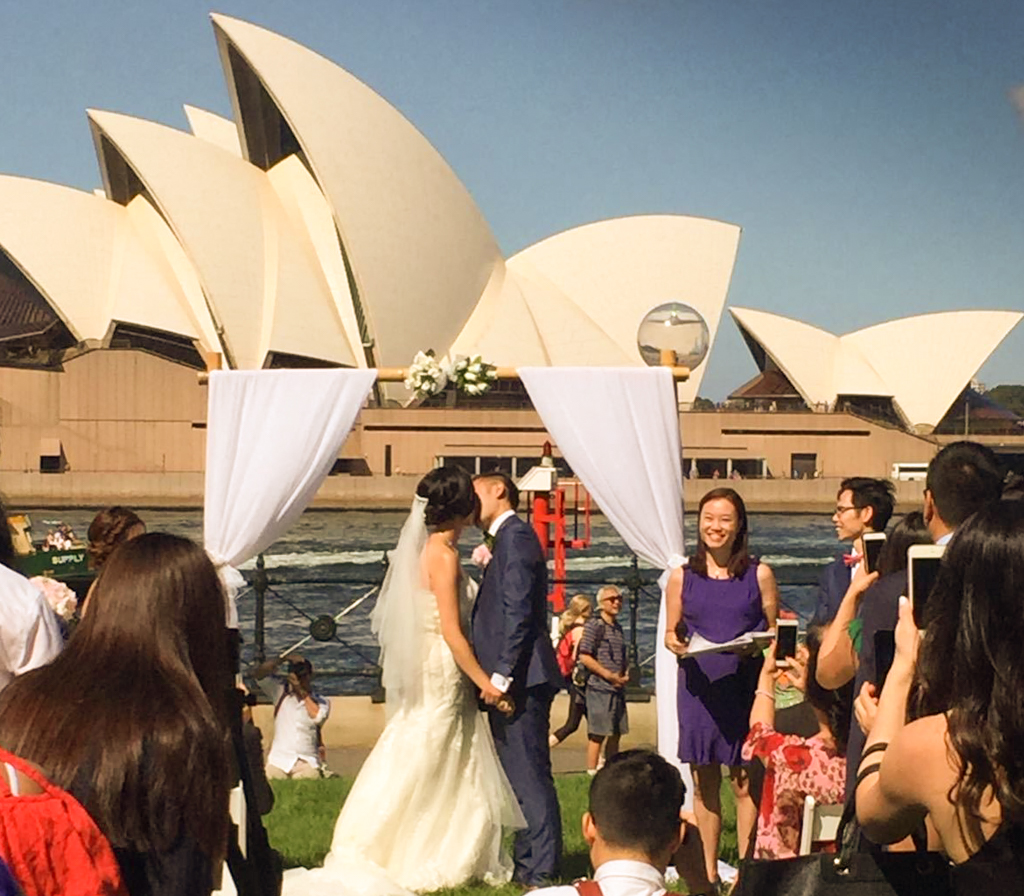
Can One Celebrant Officiate Both the Civil Ceremony and the Chinese Tea Ceremony in Sydney?
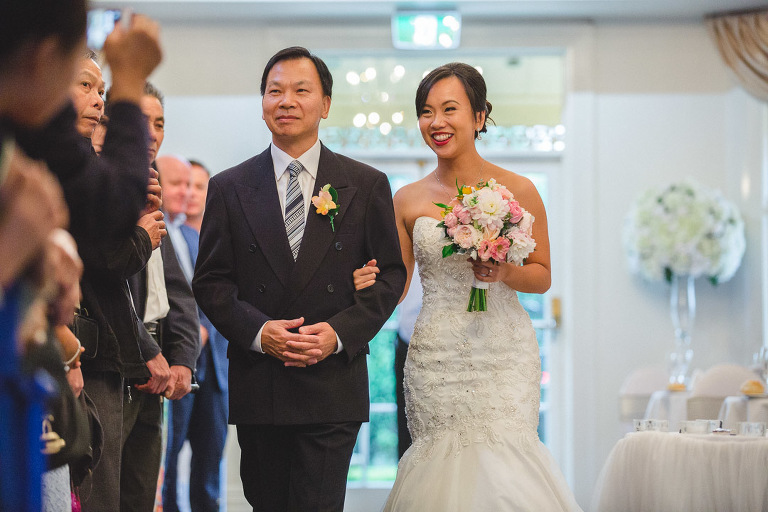
Yes, Betty officiates both. Having one person carry the civil ceremony and the tea ceremony means your guests experience a single, continuous celebration rather than a handoff between strangers.
There's no briefing gap. No tonal mismatch. No moment where the energy resets because a different person has taken the microphone.
During the tea ceremony, Betty's role shifts from legal officiator to guide and narrator, explaining the ritual and translating it for guests of every background, without over-explaining or turning it into a cultural exhibit. The ceremony belongs to your family. Betty makes sure every guest in the room understands what they're witnessing and why it matters.
The next section covers what overseas couples, particularly those arriving from Hong Kong or the US, need to know about getting legally married in Australia. Learn more about how to pull off a tea ceremony before your wedding reception.
The Legal Process, NOIM, Australian Marriage Law, and What Overseas Couples Need to Know
Getting legally married in Australia starts with completing a Notice of Intended Marriage (NOIM) before your ceremony. Requirements and timeframes change, so check the Australian Attorney-General's Department website for current details rather than relying on secondhand information.
Betty is an authorised marriage celebrant registered under Australian law. A marriage legally performed in Australia is recognised as valid here, regardless of which languages were spoken during the ceremony.
Wentao Ma married in Australia after travelling from the United States, with his partner arriving from South Korea. He described Betty as guiding them efficiently and patiently through the entire process, from initial consultation to confirming the wedding date. That's exactly what couples arriving from Hong Kong or mainland China need to know is possible. You can find out more about getting married overseas if your circumstances require it.
You don't need to have the legal side sorted before you make contact. Betty walks you through it from the first conversation.
Finding a Bilingual Chinese Wedding Celebrant in Sydney, What to Actually Look For
Scarlett Yuen described finding the right bilingual celebrant as the hardest part of their entire planning process. Francis Zhou's partner spent several nights sending desperate emails before finding someone qualified. It's a specific skill set, and genuinely rare.
Before you commit, verify four things:
- Genuine fluency in the language your family actually speaks, Cantonese and Mandarin are not interchangeable, and conversational-level language isn't sufficient for a legal ceremony
- Current registration as an authorised marriage celebrant under Australian law
- Demonstrated experience officiating both civil ceremonies and cultural ceremonies, not one or the other
- A commitment to writing a personalised bilingual script from scratch, not translating an English script after the fact
Betty is a dedicated Cantonese marriage celebrant with demonstrated experience in both civil and cultural ceremonies across Sydney.


The next section covers what your ceremony script will actually look like, and how the legal requirements fit inside a bilingual structure.
What to Expect When You Work with Betty Lo
Here's how the process looks from first conversation to ceremony day.
Betty is based in Five Dock and works across Sydney and Australia-wide, including couples flying in from overseas. From your first consultation, she handles the NOIM lodgement, builds your bilingual script from scratch around your story, and runs a rehearsal so nothing on the day feels unfamiliar.
By the time you're standing in front of your guests, you've already heard how it flows. You know the pacing. You've heard your names in both languages. That's not a small thing.
If you've read this far, the next step isn't more research, it's a conversation with someone who's done this before and can tell you exactly what your ceremony could look like. Review wedding celebrant packages to understand what's included before you get in touch.
Frequently Asked Questions About Bilingual Chinese Wedding Ceremonies in Sydney
What does a bilingual Chinese wedding ceremony actually look like?
Full passages are delivered in both Cantonese and English, not sentence by sentence, but complete sections in each language. Both families receive the whole ceremony. The civil ceremony handles the legal marriage; the tea ceremony is a separate cultural ritual that can follow.
Can one celebrant officiate both the civil ceremony and the Chinese tea ceremony?
Yes. Betty officiates both. One celebrant across both ceremonies removes coordination risk and keeps the energy consistent throughout your day. Note that the tea ceremony carries no legal standing under Australian law, only the civil ceremony does.
How does an overseas couple get legally married in Australia with a bilingual celebrant?
You lodge a Notice of Intended Marriage with an authorised marriage celebrant. Check the Australian Attorney-General's Department for current requirements. Betty has guided couples travelling from Hong Kong, the United States, and South Korea through this process from first contact to ceremony day.
Will switching between languages mid-ceremony feel awkward?
Not with a personalised, rehearsed bilingual script. Florence Li described the language switches as seamless and natural. When both versions are written together from the start, not translated after the fact, the transitions feel deliberate rather than mechanical.
What's the difference between a civil ceremony and a Chinese tea ceremony?
The civil ceremony is your legally recognised marriage under the Marriage Act 1961 (Cth). The tea ceremony is a culturally significant ritual with no legal standing under Australian law. Both can be delivered bilingually and sequenced within the same wedding day.